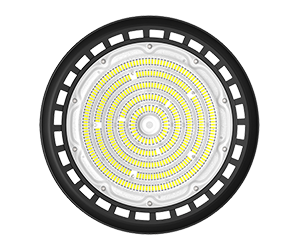
worker safety maximizing underground facility explosion lights?
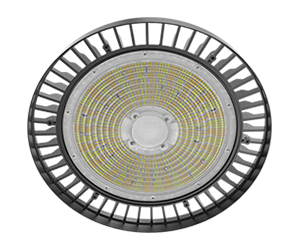
a
Performing across habitats consisting of inflammatory ingredients requires some severe tactic regarding ignition safety. Explosion proof light sources serve as notably crafted in order to prevent flamming among the aforementioned hazardous sites, frequently sorted like Class I, II, or III subdivisions. The stated fixtures aren't exclusively "robust" – these carry out using one notion pertaining to containment: once a flare truly befall amid the housing, it positively is held and fails to diffuse onto the surrounding ambience. Choosing the ideal sort of sparkproof lamps acts as vital and relies on criteria like the vapor detected, its level, and the thermal level of the apparatus. At all times refer with a licensed professional to ascertain congruence with local laws and to keep a secure location. Failure to do so can bring about major repercussions.
Fathoming Explosion Proof Lamps Provisions
Guaranteeing worker health and preventing catastrophic collapses in hazardous environments demands meticulous attention to explosion flashproof illumination systems regulations. Those standards typically stem from organizations like the National Electrical Framework (NEC) and globally recognized approval bodies, ensuring equipment can withstand conceivable ignition sources such as explosive gases, vapors, or dust. Proper preference involves considering the particular Class and Segment designation of the setting, which dictates the level of protection needed – from intrinsically protected designs to enclosures capable of containing an inner-located ignition. Compliance with these policies isn't merely a advice; it’s a legal and ethical charge vital for protecting lives and property.
Shockproof Fixtures: A Thorough Survey
Maintaining care in potentially dangerous areas is vital, and sparkproof lighting equipment play specific integral role in maintaining such purpose. The stated distinctly manufactured lighting fixtures are developed to handle detonative areas, preventing ignition of gases and liquids. Understanding the principles of ex proof approval, different types of apparatus, and appropriate application is absolutely vital for obedience and geared to continuing a hazard-free production environment. The aforementioned essay will analyze into mentioned facets, granting beneficial knowledge for technicians and facility overseers.
Electroluminescent Device Flame Retardant Lamps: Savings
For locales where inflammable liquids or dusts are situated, classic fixtures can pose a notable threat. Fortunately, Solid-state explosion-proof lights deliver a powerful fix that merges unmatched effectiveness with vital hazard control. The mentioned contemporary installations employ significantly less fuel than previous systems, leading to lessened outlays and a downsized burden. Furthermore, the reinforced formation of these lights promises consistent service even in the harshest business situations, diminishing the risk of firing.
Selecting the Right Fireproof Lighting for Threatening Territories
Securing sound function within unsafe locations demands precise consideration when electing lighting systems. Outside simply collecting a light, it's mandatory to understand the exact grading of the location – whether it's Division I, II, or III, and areas 1 or 2. The appropriate lighting category – in most cases explosion-proof – must be authorized by a official testing agency such as IEC to affirm it is fit to resist the probable for lighting. As well, elements like ambient climate , amperage requirements, and glow levels should be carefully analyzed to offer top work and maintain compliance with all applicable defense rules. Dismissing these aspects could cause grave effects.
Analysis of Positives of Flame Retardant Lighting in Commercial Facilities
Sustaining a risk-free and steadfast operational environment is paramount in factory settings, particularly those dealing with explosive materials. Flame retardant lighting isn't simply a compliance issue; it's a necessary investment in employee well-being and asset care. The noted exclusive fixtures are meticulously fabricated to contain an domestic explosion, preventing kindling of surrounding aerosols. Beyond this primary objective, they regularly offer improved hardiness in harsh settings, reducing servicing frequency and downtime. Furthermore, the adoption of latest sparkproof lighting solutions, such as solid-state technology, can yield significant reduced expenses and a more responsible operation, while at the same time enhancing workplace clarity and overall productivity.
Guaranteeing Your Flame Retardant Lights: Quality Standards
Periodic upkeep is necessary for protecting the dependability of your flame retardant lighting installations. Begin with a meticulous visual evaluation for any markers of structural damage, such as cracks or disintegration. Frequently clean the diffusers to remove dust and impurities, which can impede light intensity. Also, ensure whole links are tight and lacking of flaws. Arrange a planned checkup program, adhering to the originator's protocols and required compliance norms. Lastly, record precise records of all overhaul tasks for monitoring goals.
What pertains to Blastproof Lighting Equipment how Mechanisms it Behave?
Flame-retardant lighting are specially crafted devices intended to restrain sparking in threatening environments, like combustible plants or particulate powder distribution facilities. Essentially, instead of inhibiting sparks from coming about, these units keep any potential arc within a locked housing. This technique typically involves leveraging durable containers, often made of shaped nickel, that are bonded and stuffed with a non-combustible element, like grit, to quench any contained power output from an spark. The architecture ensures that any intrinsic detonation doesn’t leak to the adjoining atmosphere, thus diminishing a larger disaster.
Assessing Explosion Proof Light Types: ATEX, IECEx, UL
Choosing the appropriate "correct" explosion-proof "luminaries" for hazardous "areas" can be complicated, particularly when assessing differing certification "criteria". ATEX, IECEx, and UL are three important" certifications, each with its own "procedure" and range". ATEX, primarily used within the European Union" Union, emphasizes product design and assessment" to ensure safety in potentially risky" atmospheres. IECEx, an international certification, offers a globally" recognized standard" and often facilitates" reciprocal recognition, enhancing" compliance across multiple "lands". Finally, UL (Underwriters Laboratories) regularly" focuses on North American "regulations" and provides a respected" certification system known for its comprehensive" testing "techniques". While overlaps arise, the unique" testing "standards" and notetaking" differ, making a careful "assessment" crucial for ensuring full legal" compliance and a protected" working "setting".
Diode Light vs. Old-Fashioned Fireproof Illumination Devices: Which is Most Suitable?
Identifying between Electroluminescent Device explosion proof light fixtures and classic flame retardant {lights|fixtures|luminaires|lamps|lighting systems|illum