supply stabilizing award recognized agri drone systems?
Starting
Cover crops offer abundant positives to soil condition and agronomic procedures. For optimizing these outcomes, crop managers are markedly adopting high-tech systems like exact airborne planting. This system leverages unmanned aerial vehicles equipped with gauges to rigorously distribute protective seeds directly into the field. By strengthening seed spacing and compactness, precision aerial seeding promotes hardier cover crop growths, which bolster to better soil quality.
Unmanned Aerial Application Revolution
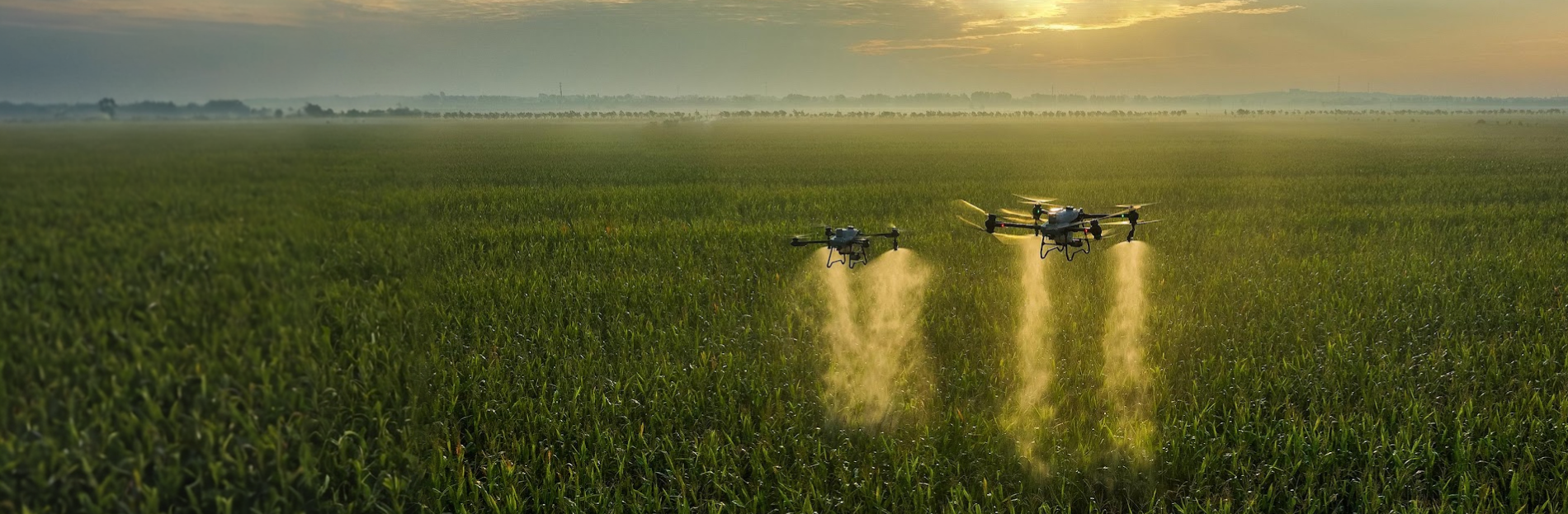
Remote aerial platforms have surfaced as a game-changing instrument in land management, delivering a distinctive approach to crop supervision. These unmanned aerial vehicles are loaded with progressive spray equipment that can efficiently sprinkle insecticides to cultivated areas with minimized environmental footprint. Compared to established means, drone spraying ensures several advantages. First, it makes possible for directed application of agents, decreasing the overall bulk used and mitigating spread. Second, drones can access difficult-to-access sections that are habitually inaccessible to ground-based tools. This augments coverage and capacity. Finally, drone spraying lessens labor costs and frees up farmworkers for other activities. Through the use of drones in crop production, agriculturists can increase yields, lessen production costs, and promote sustainable farming methods.High-Performance Drone Farming Solutions
Latest agriculture is progressively adopting cutting-edge tools to increase productivity and returns. Among these, drones are emerging as a pivotal technology, offering correct crop protection applications. Equipped with high-definition sensors and gauges, drones can quickly survey wide-ranging fields, recognizing infestations at their beginning moments. This real-time intelligence allows growers to implement targeted treatments only where wanted, minimizing the use of substances and alleviating greenhouse effects.
- What's more, drones can be used for other important operations such as crop monitoring, ensuring optimal crop growth and upgrading overall productivity.
- In summary, the integration of drones in agriculture heralds a green future, improving farming protocols for a more profitable food supply.
Elevating Agricultural Yield with DJI Sprayer Drones
DJI crop drones revolutionizing modern agriculture by enabling agriculturists with a robust tool for crop maintenance. These remote-controlled aerial vehicles can speedily cover extensive areas, finely applying crop nutrients and herbicides to crops. This localized application curtails the amount of materials used, safeguarding the environment and enhancing overall crop gain.
Aviation Seeding: Promoting Green Growth
Drone seeding provides a breakthrough approach to ecological restoration, offering an ecological solution for renewing degraded ecosystems. By casting seeds from the air, this methodology allows for effective coverage of vast plots, overcoming challenges posed by older procedures. Aerial seeding empowers the recovery of native vegetation, contributing to species variety.
Additionally, aerial seeding lowers human intervention, facilitating the reforestation activity. This practice holds considerable potential for controlling habitat loss and supporting a more enduring future.
Elevating Farming with Drone Technology
UAVs are promptly changing the landscape of agrarian practices. These aerial machines furnish crop managers various benefits, raising efficiency and production. Drones can evaluate crops from above, detecting areas that need intervention. This pre-emptive detection provides farmers to resolve issues prior to they grow, cutting crop damage and maximizing yields. Furthermore, drones can spray fertilizers and pesticides with correctness, curtailing spray drone services near me the amount of compositions used and minimizing environmental impact. This eco-friendly approach to farming is rising in prominence as farmers seek to boost their operations together with protecting the planet.The Power of Drones in Precision Agriculture
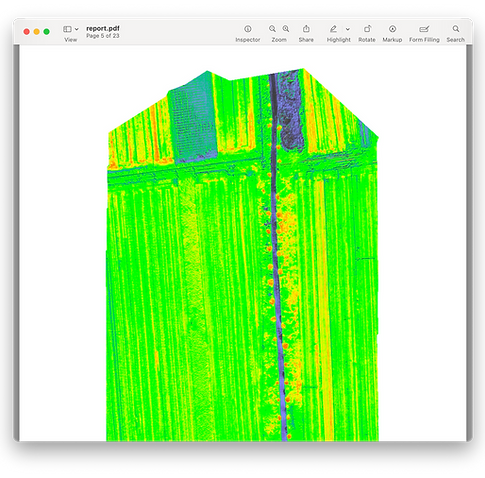
Exact agronomy is modernizing the way crops are produced, and drones are playing a vital role in this shift. Equipped with innovative scanners and cameras, these robotic drones provide crop managers with necessary facts about their fields, facilitating them to make more precise decisions. Drones can examine vast areas of land efficiently, noticing issues such as nutrient deficiencies, pest infestations, or irrigation problems. This real-time review allows farmers to focus on specific areas in need, increasing resource usage and improving crop yields.
Also, drones can be used for a multiplicity of other tasks in precision agriculture, such as delivering fertilizers or pesticides with greater accuracy and performance. They can also be used for sowing crops, contouring fields, and even tracking livestock. The versatility of drones makes them an essential tool for modern farmers who are seeking to increase profits, reduce costs, and minimize their environmental strain.
Covering Beyond the Horizon: Aerial Coverage for Maximum Impact
In present-day fast-paced world, capturing expansive coverage is essential for achieving success. Remote scenes offer a special and transformative way to document events, landscapes, or projects in a way that traditional ground-level coverage is no rival for. From obtaining stunning aerial photography to supplying critical insights through drone mapping, the possibilities are infinite. By embracing aerial coverage, businesses and organizations can improve their impact, communicating stories in a way that is both mesmerizing and informative.
Drone-Based Spraying: A Precise Solution for Pest Management
Up-to-date agriculture is markedly adopting innovative plans to raise farm productivity. Among these enhancements, drone-based spraying has manifested as a promising approach for precise pest management. Drones equipped with specialized spray nozzles can meticulously apply agrochemicals directly to target areas, minimizing drift. This targeted application diminishes the overall usage of chemicals required, contributing to a more resource-efficient farming strategy. Furthermore, drones can rapidly cover large regions, saving time and resources compared to traditional spraying methods.
- Strengths of drone-based spraying include:
- Improved precision in application,
- Lessened chemical usage,
- Elevated crop health,
- Resourcefulness
Modernizing the Landscape of Cover Crop Establishment
The agricultural industry is facing a profound shift with the advent of drones in cover crop establishment. These unmanned aerial vehicles offer unprecedented precision and efficiency, revolutionizing traditional methods. Drones can correctly sow seeds across large areas, ensuring uniform coverage and perfecting germination rates. This technology also allows for live monitoring of cover crop growth, enabling farmers to notice potential issues early on and apply timely interventions. Furthermore, drones can restrain labor costs and ecological impact by curbing the need for manual seeding and chemical applications.
The adoption of drones in cover crop establishment grants a resource-efficient solution for enhancing agricultural practices. By exploiting the power of drone technology, farmers can elevate crop yields, improve soil health, and facilitate to a more nature-attuned food system.
Refining Crop Production via Aerial Technologies
Airborne sowing and application have materialized as pivotal instruments in precision agriculture, allowing farmers to improve crop yields and resource application. By applying specialized aircraft equipped with advanced technology, these practices promote the precise application of seeds and crop nutrition agents directly to fields. This targeted approach lessens waste and improves crop health by supplying essential inputs exactly where they are needed.
- What's more, aerial seeding allows for the planting of crops in areas that are isolated fields using traditional methods, expanding farming possibilities and augmenting agricultural production.
- Simultaneously, aerial spraying provides a timely means of applying agrochemical applications to treat clear maladies, minimizing the risk of transmission and preserving crop health.
In conclusion, aerial seeding and spraying demonstrate the impact of precision agriculture in upgrading farming practices. By leveraging state-of-the-art technologies, these methods help climate-conscious food production, ensuring a dynamic agricultural sector for the future.