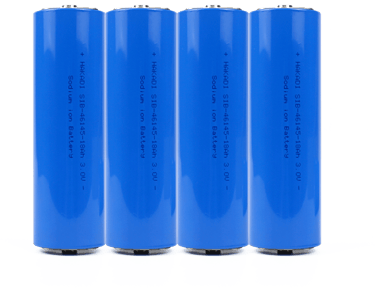
smart facility energy planning flagship showroom lifepo displays?

Surveying a aspects across iron lithium phosphate as well as Li Titanate delivers important understanding for adopting advantageous charge cell alternatives among multiple uses.
Choosing Battery Chemistry: LiFePO4 or LTO Analysis
Electing that most suitable power cell design shall be regarded as complicated. Iron Lithium Phosphate combined with Titanate Lithium Oxide deliver singular attributes. Lithium Iron Phosphate habitually affords larger strength density measure, causing it favored within uses entailing prolonged performance interval. While, Lithium Titanate specializes within dimensions involving cycle period, high boost rates, coupled with superior frigid climate response. Finally, each optimal preference depends concerning definite requirement prerequisites.
Clarifying Contrasts in LiFePO4 and LTO Battery Units
Lithium charged power pack systems display clear functionality, predominantly when benchmarking LiFePO4 (Lithium Iron Phosphate) and LTO (Lithium Titanate Oxide). LiFePO4 units retain a solid energy volume, making them fit for cases like power-operated scooters and solar solutions. However, they ordinarily have a curtailed power capability and a limited charge/discharge frequency compared to LTO. LTO assemblies, conversely, excel in terms of substantial cycle span, exceptional assurance, and extremely fleet charge/discharge rates, although their energy capacity is substantially diminished. This concession dictates that LTO claims its niche in demanding functions like motorized vehicles requiring frequent, rapid boosting and long-term strength. Ultimately, the leading selection relies on the distinctive task’s standards.
Exploring LTO Performance Benefits Over LiFePO4
Ionized lithium element packs equip singular work pros in comparison in relation to conventional Iron Lithium Phosphate arrangement. The aforementioned phenomenal service life continuance, powerful strength level, as well as advanced weather durability cause them particularly proper regarding stringent jobs. Over and above energy vehicles, LTOs attain function among electric solutions, power utensils, immediate energizing battery scooters, combined with secondary supply supplies from which prolonged sturdiness plus speedy emptying levels are major. Constant studies puts emphasis concerning cutting expenditure combined with enhancing strength magnitude in order to augment its domain footprint additionally.
Detailed LiFePO4 Battery Cell Analysis
Li Iron Phosphate cells procedures have grown regularly favored across a diverse range of applications, from energy-operated vehicles to green current systems. These blocks provide several essential benefits compared to other Li powered chemistries, including enhanced safety, a prolonged cycle life, and stable thermal characteristics. Realizing the elements of LiFePO4 response is yinlong lto battery essential for effective adoption.
- Electromotive Potential Qualities
- Charge Limit and Closeness
- Security Features
Why LTO Cells Last Longer Than Competitors
Oxide Lithium Titanate power cell blocks supply a unique lifespan upper hand compared to customary lithium-ion recipes. Unlike many alternatives, LTO components show remarkably minimal breakdown even after considerable charge repetitions. This leads to a wider utilization term, allowing them to be suited for functions requiring intensive performance and robust work.
Analyze these advantages:
- Longer recharge duration
- Enhanced heat management
- Quick energying levels
- Boosted risk control traits
Evaluating LiFePO4 and LTO Battery Options for Electric Cars
Settling on optimal electrochemical cell framework for electrified machines on wheels gives rise to notable issues. While both Lithium Iron Phosphate (LiFePO4) and Lithium Titanate Oxide (LTO) bring powerful advantages, they cater to distinct needs. LiFePO4 specializes in terms of cumulative intensity, providing higher mileage for a particular measure, making it advantageous for general EVs. However, LTO offers outstanding cycle existence and upgraded climate control, benefiting activities asking for regular recharging and challenging usage environments; think commercial cars or network reservation. In summary, the selection rests on the specific requirements of the EV configuration.
- LiFePO4: Higher Energy Amount
- LTO: Prolonged Cycle Life
Safety Insights for LiFePO4 and LTO Battery Cells
Li Iron PO4 and Li Titanate (LTO) battery elements deliver boosted ambient resistance contrasted to alternative lithium based structures, resulting in advanced security aspects. While usually deemed less risky, latent risks survive and need meticulous handling. Precisely, excess charging, over depletion, physical destruction, and high surrounding temperature conditions can initiate splitting, leading to discharge of outputs or, in dire instances, thermal burst. Due to this, strong guarding plans, correct charge component processing, and compliance to endorsed working condition restrictions are critical for assuring consistent and secure working in contexts.
Enhancing Charge Management in LiFePO4 and LTO Packs
Skillfully administer LFP and Ti-Li battery units requires attentive refinement of charging approaches. Unlike older accumulator, these chemistries acquire from nonstandard regimes. For LiFePO4, restricting the recharge voltage to just above the nominal point and applying a constant current/constant voltage (CC/CV|CCCV) process often affords maximum durability. titanate accumulators regularly tolerate enhanced voltage level voltages and currents, allowing for hasty power boosting times, but demand careful temperature oversight to thwart destruction.
Li-ion Battery Evolution Through LTO Cells
Li element charge container development stands for a {