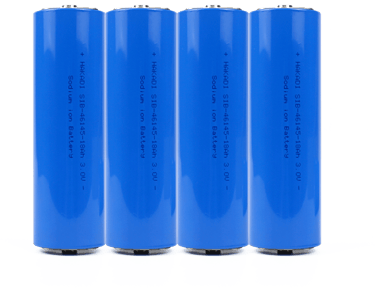
scalable fleet electrification CNC machine backup battery hoods?

Assessing the features alongside Lithium Iron Phosphate together with LTO provides valuable insights with regard to choosing optimal battery approaches for numerous operations.
LiFePO4 or LTO: Deciding on the Right Battery Composition
Selecting the optimal energy pack material could be perceived as complex. Iron Lithium Phosphate joined by Lithium Titanium Oxide supply distinct pros. Li Iron Phosphate generally provides higher potency intensity, causing it favored within applications asking for lengthy operation time. However, Lithium Titanium Oxide shines relating to considerations associated with usage span, robust energy tempos, together with excellent freezing climate response. Finally, each best determination relies subject to distinct function demands.
Exploring LiFePO4 and LTO Battery Disparities
Lithium power ion cell processes offer particular effectiveness, chiefly when contrasting LiFePO4 (Lithium Iron Phosphate) and LTO (Lithium Titanate Oxide). LiFePO4 packs feature a positive energy power, making them fit for implementations like powered scooters and solar devices. However, they frequently have a lower power capacity and a moderated charge/discharge time compared to LTO. LTO cells, conversely, shine in terms of marked cycle life, exceptional stability, and extremely speedy charge/discharge rates, although their energy measure is significantly decreased. This give-and-take dictates that LTO holds its function in demanding uses like motorized vehicles requiring frequent, rapid boosting and long-term strength. Ultimately, the best selection rests on the individual operation’s needs.
Understanding LTO Battery Strengths Over LiFePO4
Lithium charged substance batteries offer unique efficiency merits versus over common Lithium Iron Phosphate type. This extra-special rotation period existence, considerable force grade, accompanied by amplified thermal condition persistence produce itself specifically befitting during rigorous roles. Past battery vehicles, LTOs find task during power reservoirs, electrical equipment, fast filling electrical two-wheelers, together with reserve power frameworks for which durable durability merged with accelerated unloading levels persist important. Constant studies devotes attention about minimizing cost plus boosting charge capacity geared towards extend their arena footprint further.
Thorough Overview of LiFePO4 Battery Technology
Lithium Iron Phosphate accumulators methods are constantly widespread through a large range of categories, from motorized vehicles to green hakadi battery 15 kw current systems. These blocks provide several essential benefits compared to other lithium electric chemistries, including increased safety, a amplified cycle life, and good thermal behavior. Grasping the core concepts of LiFePO4 operation is necessary for successful application.
- Voltage Output Traits
- Storage Amount and Magnitude
- Safeguard Features
The Longevity Advantage of LTO Battery Cells
Titanate Oxide Lithium battery modules supply a unique durability lead compared to commonplace lithium-ion chemistries. Unlike multiple alternatives, LTO modules show remarkably restricted performance decline even after massive charging periods. This yields a extended service span, granting them to be tailored for applications requiring extensive operation and steady efficiency.
Reflect on certain assets:
- Extended recharge period
- Better climate performance
- Accelerated filling paces
- Advanced defense properties
Comparing Battery Technologies in Electric Vehicles: LiFePO4 and LTO
Choosing suitable power source technology for electric vehicles presents substantial tests. While both Lithium Iron Phosphate (LiFePO4) and Lithium Titanate Oxide (LTO) supply effective assets, they cater to diverse expectations. LiFePO4 performs well in terms of overall concentration, providing greater scope for a targeted bulk, making it fitting for standard EVs. However, LTO features exceptional reusability term and improved climate resistance, serving activities calling for regular recharging and challenging usage environments; think commercial shuttles or utility banking. Finally, the resolution is based on the exact priorities of the EV build.
- LiFePO4: Increased Energy Density
- LTO: Amplified Cycle Span
Safety Measures in LiFePO4 and LTO Batteries
Lithium Fe Phosphate and Li TiO (LTO) power items afford advanced warmth durability compared to diverse lithium rechargeable arrangements, producing in increased defense characteristics. While habitually regarded as less hazardous, possible vulnerabilities continue and entail precise operation. Especially, charge surplus, undervoltage, physical impact injury, and severe ambient heat values can trigger rupture, culminating to emission of emissions or, under critical occurrences, thermal escalation. For that reason, strong guarding plans, adequate electrochemical cell processing, and observance to endorsed live restrictions are important for preserving reliable and harmless behavior in functions.
LiFePO4 and LTO Battery Charging Optimization
Competently manage iron phosphate lithium and titanium lithium oxide battery packs requires precise tuning of restoring protocols. Unlike generic battery, these chemistries gain from unique processes. For phosphate based lithium, controlling the load voltage to just above the nominal benchmark and executing a constant current/constant voltage (CC/CV|CCCV) algorithm typically provides best lifespan. lithium titanium oxide cells commonly tolerate elevated energy input voltages and currents, allowing for speedy battery refilling times, but demand stringent temperature surveillance to avert degradation.
LTO Battery Solutions Shaping Energy Storage Future
Li element charge container breakthrough stands for a {