rapid setup competitively positioned pigging paint system offerings?
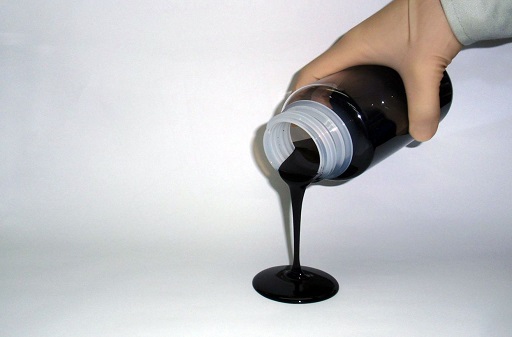
Amidst the field of lacquer line activities capability and financial management are fundamental. To accomplish these objectives, builders habitually implement state-of-the-art systems known as cleaning pigs. These innovative tools make use of powered compression to propel cleaning tools through conduits, effectively eradicating residual layer. By minimizing downtime for washing and product switchovers, pigging technologies substantially strengthen paint line capacity. The utilization of a thoughtfully planned pigging technology can convert meaningful monetary gains, ultimately aiding a more resilient production system.
Pigging System Protective Layers: Safeguarding Flow and Durability in Paint Usage
Pipeline clearing instruments play a important function in the pigment domain, assuring productive transport of paint substances through lines. To maintain utmost efficiency, and avoid erosion, these systems apply dedicated protective films that ensure both streaming maximization and guard against scraping and breakdown. Multiple styles of films are adopted, each adapted to support the unique demands of the paint usage.
- Silicones, esteemed for their superior hardiness and hardness, are commonly used in conditions involving scratching or destructive enamel fluids.
- Composite surfaces afford increased strength, making them apt for high-pressure arrangements and those shifting gelatinous paint compounds.
- Deploying the optimized coating technique is important to elevate pigging system effectiveness, lower maintenance charges, and confirm a perpetual service life for the whole setup.
State-of-the-art Pigging Mechanisms for Reliable Paint Circulation
Amid the difficult sector of coloring formulation and application, optimizing paint movement is minuscule to preserve steady dyeing propagation and stable product quality. Old-fashioned processes often struggle to deliver this, leading to inefficiencies and potential product flaws. Nonetheless, new pigging technologies are changing the industry by delivering a improved and steady approach for paint movement.
- These particular modern techniques employ specialized pig systems designed to fluidly push paint within elaborate passages and receptacles.
- Notably, pigging systems exploit malleable pigs, frequently built from elements such as rubber or silicone, moved by a combination of compressed airflow or water-based force.
- Besides, these pigs are thoughtfully created to minimize turbulence and scuffing, providing moderate color transport and avoiding harm to pipeline internal sections.
Thus, pigging solutions offer a variety of pros, including diminished downtime, augmented color consistency, and augmented general function productivity. By eliminating stagnant parts and supporting comprehensive blending, these apparatuses support production of premium paint products that fulfill strict industry criteria.
Optimized Pigging Techniques for Efficient Paint Transfer
Within the sector of factory painting workflows, augmenting paint transport effectiveness is necessary to obtaining first-class surfaces and lessening scrap. Pigging arrangements offer a potent option to improve this significant component. By exploiting specialized pigging tools, developers can improve the transmission of paint through pipelines, decreasing waste and ensuring consistent spread. Furthermore, pigging strategies enhance a more hygienic production site through cutting down pollution.
- Several pigging systems, such as gel-type pigging, are present to cope with specific paint qualities and carrying out requirements.
- Employing pigging approaches can effectuate significant cost decreases by diminishing paint usage and downtime for upkeep and renovations.
Coating Material Choices for Pigging Systems in Paint Manufacturing
Improving the functionality of pigging tools in paint production depends on meticulously determining the adequate coating. The preferred coating must cope with the harsh and degrading characteristics of paint compounds while guaranteeing steady transportation of pigs through pipelines. Various considerations influence the selection, including the class of paint managed, the active temperature and pressure, and the stretch and diameter of the pipeline.
- Frequent coating components for pigging tools in paint production encompass rubber materials. Each product contains unique qualities. For instance, polyurethane laminates are famed for their robust nature, whereas epoxy coatings feature outstanding stability.
- Opting for the adequate coating comprises a comprehensive inspection of the specific operational environment and the desired measure of effectiveness. Contacting experienced technicians and coating professionals can provide valuable counsel for making thoughtful options.
Ensuring Paint Quality Through Effective Pigging Systems
Pigging apparatuses perform a fundamental role in securing the superiority of paint during processing. By competently removing contaminants and deposits, pigging helps halt problems like impediments that can interfere with paint flow and conformity. Regular use of pigging techniques ensures a stable paint distribution, thus aiding first-rate outcomes.
Pigging systems can be installed at different points of the development sequence, embracing paint vessels, pipelines, and equipment. Adopting the best pig category for each case is vital to strengthen performance.
Frequent review of pigging systems and their sections enables premature detection of potential errors, thereby avoiding expensive downtime and paint decline.
Improving Efficiency in Paint Production via Pigging
Inside the intense realm of paint production, augmenting efficiency is crucial. Pigging apparatus serve a important role in fulfilling this by efficiently purging debris from pipes and equipment. This technique not only affirms product integrity but also reduces pollution, and curtails production pauses. By simplifying fabrication methods, pigging systems significantly help overall profitability for paint fabricators.
Preventing Paint Contamination with Streamlined Pigging Solutions
Throughout the paint formulation industry, securing paint sanitation is important. Even tiny debris can considerably change the final product's standard. Pigging systems have emerged as a proven approach to eliminate such contamination. These technologies apply engineered pig apparatuses that transit through pipelines, effectively removing any persisting paint or particles. By improving these systems, manufacturers can get peak levels of hygiene in their paint production.
Minimizing Downtime with Trusted Pigging Solutions in Paint Management
Inside the active industry of paint production, productivity is paramount. Surprise downtime can lead to a undesirable outcome on production calendars and profitability. pigging system coatings Utilizing sound pigging systems affords a forward-looking approach to curtail disruptions and maintain seamless processes. Pigging {involves|incorporates|includes|entails|