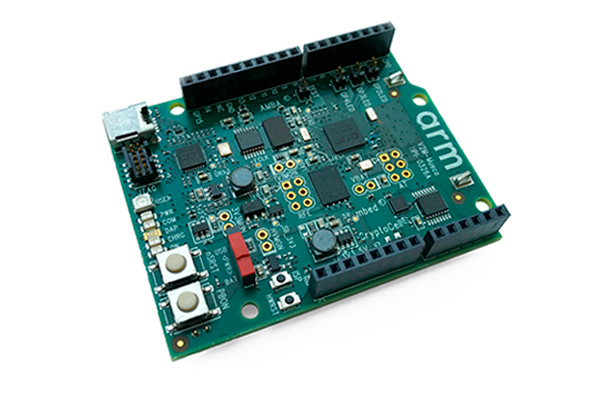
Measuring embedded system response times Does best x86 SBC lead in embedded system scalability features compared to arm
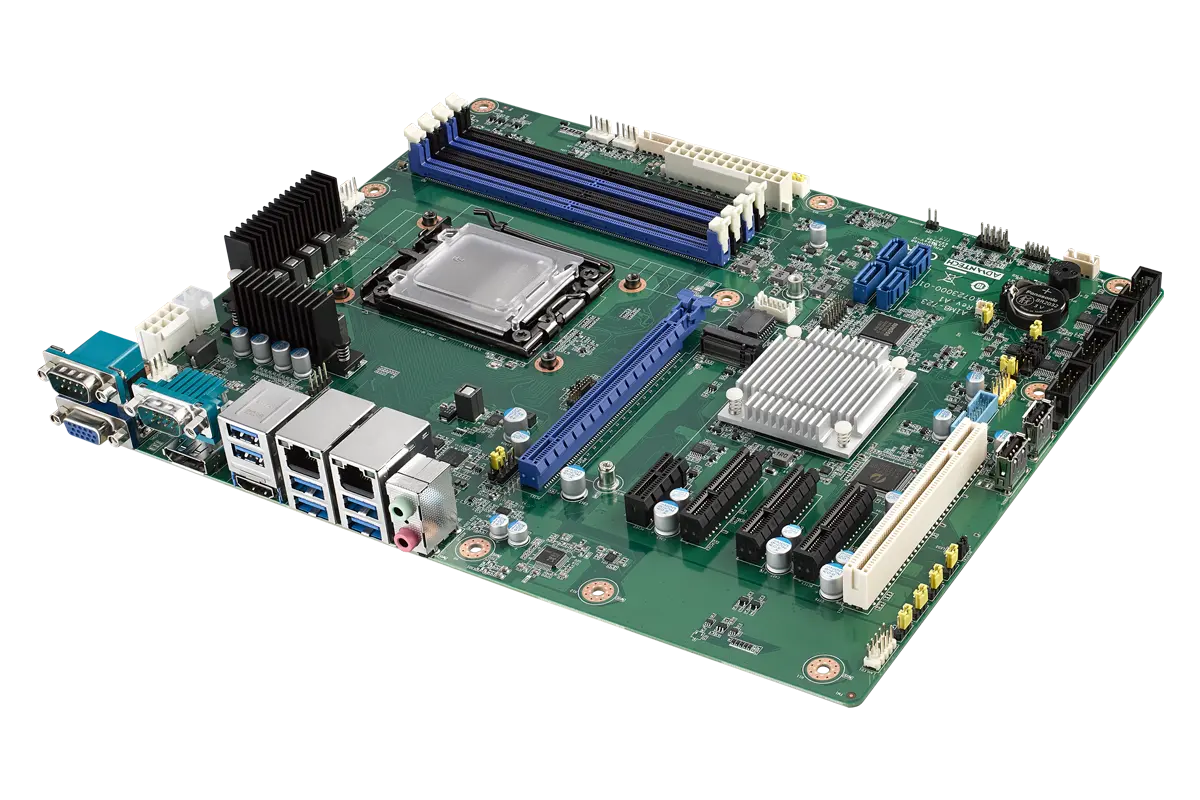
Since the beginning, the processing arena has been influenced by two fundamental blueprints: ARM in comparison to x86. Both platforms possess distinct advantages, leading to a strong conflict for industry influence. While x86, the senior technology, has long held the crown in workstation and enterprise sectors, ARM's progress has been remarkably evident.
The power-consumption benefit of ARM, coupled with its adjustability, has made it a preferred choice for portable gadgets and integrated solutions. However, ARM is now seeking to conquer new frontiers, including thin clients and information centers. This pursuit has stirred the veteran x86 entities, who are responding with their own innovations to maintain dominance.
- Significant variations in schemes affect workload management, power consumption, and overall system design.
- The shifting requirements of developers are driving the demand for more effective computing solutions.
To sum up, the contest between ARM and x86 is continuously developing and flexible, with both platforms continuously evolving to meet the demands of a rapidly changing world. The outcome of this clash remains to be seen, but one thing is certain: the future of computing will be shaped by the innovations and advancements of these two titans.
arm vs x86Choosing ARM or x86 CPU for Maximum Output
Amid the constantly changing IT environment, selecting the prime chip configuration can be a daunting task. Two titans dominate the market: ARM and x86. Both offer compelling benefits, but their performance traits diverge significantly. This extensive analysis delves into the core of each architecture, empowering you to make an informed determination.
- Effectiveness
- Energy Demand
- Investment
We'll explore benchmarks, real-world scenarios, and the strengths of each architecture, helping you determine which platform best suits your needs.
Reasons ARM Outperforms x86 in Embedded Markets
ARM microprocessors remain pivotal within the built-in device marketplace. This strength follows diverse vital contributors. First, ARM's blueprint demonstrates power economy, making it ideal for devices with limited power budgets. Second, the ARM ecosystem includes a significant and bustling group of developers and hardware partners, providing ample support and modernization. Finally, ARM's accessible framework permits adjustments for particular tasks, leading to a wide range of solutions. These factors have unified to highlight ARM prominence for countless embedded devices, from smartphones to smartwatches and even industrial apparatus.
Premier x86 SBC Models for Intense Workloads
Finding the best x86 SBC offers difficult choices, especially when you're a seasoned professional. You need a device that can facilitate hefty operations, offer consistent output, and provide a platform for advanced tasks.
- Several factors contribute to the best SBC for your needs, including processing power, RAM capacity, storage options, connectivity features, and community support.
- For genuine experienced personnel, a board with a robust CPU akin to Intel i5 or AMD variant is essential.
- Complemented by large RAM and speedy storage necessity for smooth and efficient operation.
Dismiss SBCs lacking advanced capabilities; invest in a platform that can entirely facilitate your tasks.
The Ultimate Guide to x86 Single Board Computers
Analyzing reasonably priced x86 SBC models is notably beneficial. These versatile systems deliver diverse capabilities to enthusiasts. From building networked dwellings to programming tools, x86 SBCs provide a dynamic, affordable ground for experimentation. This guide will provide insights into the flourishing x86 SBC sector, bringing to light qualities of these exceptional components.
- Investigate background and role of x86 SBCs within technology progress.
- Investigate prevailing x86 SBC units highlighting specs and intended clientele.
- Master the basic equipment forming an x86 single board computer.
- Uncover software ecosystems around x86 SBCs featuring system software and dev utilities.
- Highlight groundbreaking initiatives using x86 SBCs through numerous domains.
Emergence of ARM in Personal Computer Sectors
Even though commonly identified with mobile electronics, ARM architecture is steadily making inroads inside personal computer environments. Several factors contribute to this direction, including the increasing demand for energy-efficient computing and the growing popularity of cloud-based applications. Enterprises like Apple employ ARM CPUs in mobile PCs, demonstrating the potential for high speed. This trend is further fueled by the development of new platforms specifically tailored for desktop workloads. As these innovations mature and become more widely available, we can expect to see ARM's presence increase significantly throughout future times in the desktop market.
x86 vs ARM What Architecture Suits Your Needs
Selecting hardware, two key processing patterns dominate: x86 and ARM. Both offer distinct profits, making the decision a matter of aligning your needs with the right platform.
Enduring x86 system enjoys recognition for strong capabilities with a broad software base It manages in desktops, laptops, and workstations, particularly for demanding tasks like gaming or video manipulation. ARM, on the other hand, emphasizes energy efficiency and a compact design. This creates it ideal for mobile devices, embedded systems, and increasingly, cloud computing.
- Assess your dominant job requirement: Are you a player? Do you need raw power or smart energy consumption?
- Study software functioning across architectures. Not all applications are available on both platforms.
- Weigh expenses and market supply relative to your preferred system.
Minor but Potent Mainstream ARM Boards
SBC arena flourished lately, with ARM architectures preferred for performance and conservation. These compact machines pack a surprising punch, offering incredible capabilities within a compact footprint. For hobbyists, makers, and even professionals, ARM-based SBCs provide a potent platform for everything from learning about electronics to building fully functional projects. Whether you're looking for a budget-friendly option or a high-performance powerhouse, there's an ARM-based SBC out there to meet your needs.
- Discover major competitors in this vibrant technology area!
Testing ARM Opposed to x86 Capability Metrics
Testing ARM against classic x86 formats via benchmarks produces remarkable observations. While x86 has traditionally ruled in processing might, particularly for demanding applications, ARM devices rapidly catch up over time, especially in areas like mobile performance and energy efficiency. The recent surge in popularity of ARM-based microprocessors found within laptops and PCs further fuels this struggle. It's important to note that benchmark results can be altered with different influences, including the specific model being tested, the software workload, and even the operating system. Therefore, it's crucial to consider statistics with insight beyond figures.
Are we seeing ARM Substitute x86 as Main Architecture
The silicon world undergoes ongoing transformation, and one of the most captivating patterns highlight ARM's expansion. While x86 has long ruled the market, ARM's performance attracts significant attention. This has led to speculation that ARM might eventually replace x86 as the principal architecture.
- Multiple reasons fuel this progression: ARM's low-energy system attracts handheld electronics, notebooks, and data hubs.
- Besides, ARM's broad licensing policy boosts invention within the market, crafting various forms of ARM-powered circuits.
Despite ARM gains, x86 remains a major force. Industry giants pour money into advancing x86 platforms, and legacy systems will remain operational for the foreseeable future.
In summary, it is impossible to confirm if ARM will absolutely replace x86. The IT progress will result from synergy of both designs, with each serving its purpose within distinct application areas.
Vision of ARM and x86 Fusion in Processing Power
The computing field has undergone significant shifts. Once distinct architectures, ARM and x86 are now on a collision course, converging to reshape the future of processing power. This convergence delivers innovative prospects for developers and consumers alike. ARM's energy efficiency and compact design have made it the dominant force in mobile devices, while x86 has long reigned supreme in desktops and servers. However, the separation is diminishing, driven by factors such as the increasing demand for mobile computing and the rise of cloud services.
- Such fusion may generate assorted computing solutions, powered by hybrid architectures that deploy features of ARM and x86 combined. This could result in higher-performing mobile gadgets with enhanced energy storage alongside economical servers.
- Besides inventors welcome diversified development utilities, enabling them to create innovative applications that surpass conventional thresholds. The future of computing is bright, with ARM and x86 convergence playing a pivotal role in shaping the next generation of technology.