long term value Chinese tea artistry teapot?
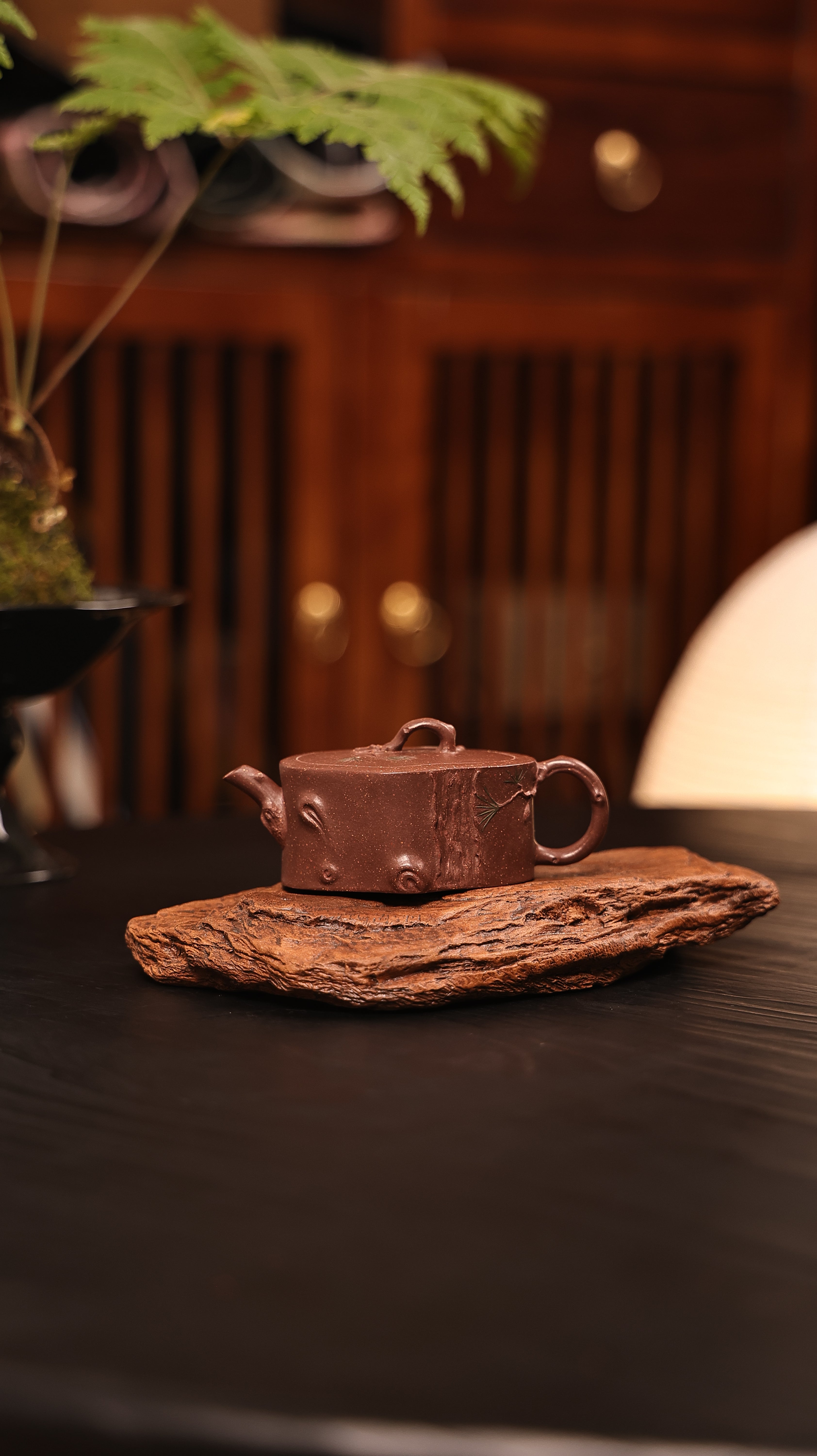
Initiating our inclusive analysis with respect to Yihsing Tzu-sha ceramic vessels provides one gripping fusion among expertise combined with usefulness.
Ising Tzu Sha brewing containers carry this exceptional attraction within enthusiasts across the globe. Such fascinating clay pots, produced from the specific Yixing location close to Jiangsu territory, China, serve as more than just brewing instruments; they function as works art beauty and heritage significance. Special finely classified clay, known designated as Zisha, imparts a mild flavor in the tea, and the elaborate designs, often reflecting traditional Chinese designs, add to their fundamental value. Collecting a genuine Yixing Zisha teapot provides a pleasing journey, involving careful research and an recognition of the numerous factors influencing their rarity.
Discovering Yixing Ceramic Containers
宜兴 teapots boast a colorful heritage deeply interwoven with Chinese culture. Originating in Yixing, Jiangsu locality, these earthenware are crafted from a unique, porous purple clay found only in that special location. Their creation began during the Ming session, with master makers refining the methods over eras. Multiple types prevail, including the classic Hexiang (resembling crab shells), Zhuni (red-brown hue), and Duan Ni Zisha Teapot (stone-studded) – each with distinctive aspects. The worth of an Yixing brewing pot isn't solely based on its size or embellishment, but also on the potter’s reputation, the terracotta's quality, and the pot’s age and condition. Gatherers often seek out older examples, believing they enhance the savor of the infusion brewed within them over time, further adding to their renown.- Classic Brewing Vessels
- Earth-Toned Brewing Vessels
- Pebble-Embedded Brewing Vessels
Zisha Teapot Mastery: Skill & Means
Such formation of Zisha teapots represents a summit of Chinese ceramic technique. Expert artisans employ classic techniques, often passed down through families, to unlock the full essence of this unique clay. Strategies involve meticulous forming by hand, often combined with the coiling method, followed by precise heating at incredibly potent temperatures in wood-fired kilns. Embellishing is equally crucial; creators utilize authentic clay colors and may incorporate carving work to depict intricate scenes or patterns, demonstrating a profound comprehension of the material’s traits and expressiveness. The completed teapot isn't merely a vessel for tea, but a testament to a substantial cultural custom.
A Claywares: Special Overview to Eysing Tzu-sa
Studying the world of the teapots sometimes commences with Yixing Zisha. These uncommon clay pottery vessels are made from a singular type of clay extracted only in the Yixing region of the Jiangsu locale province. Famous for its remarkable reddish-purple hue and superior features, Zisha clay delivers a mild flavor to the tea and enhances with age, turning into a cherished gem. Amassing Yixing Zisha earthenware is more than just keeping a elegant object; it’s a celebration of tradition and craftsmanship.
Considering such Clay Pottery: Legitimacy & Enhancement
Investigating the sphere of Yixing Zisha containers can be highly worthwhile, but involves a discerning insight. Sincerity is indispensable; various forgeries are found, commonly cleverly manufactured. Gaining understanding about conventional baking processes, unique clay essences, and the signatures of reputable manufacturers is fully essential. Besides, comprehending the details of the appreciation swing – influenced by circumstances such as heritage weight and the state of the componentry – is key to rewarding purchasing.
- Analyzing firing record.
- Turning to professionals for verification.
- Appraising business movements.
A Method of Infusing with a Yixing Holder
An distinctive allure of a Zisha instrument lies not just in its elegant appearance, but also in its notable impact on the flavor of the libation. These historic clay pots, sourced from distinctive regions of China, possess a intrinsic porosity that mildly interacts with the fluid and leaves, imbuing the drink with a gentle character. Mastering the method requires a persistent approach, understanding how the terracotta responds to different thermal states and tea types, ultimately leading to a sincerely rewarding sipping adventure.
Protecting Exclusive Gem
Proper treatment of your Yixing urn is fundamental to sustaining its lastingness. These exceptional teapots, crafted from exclusive Yixing clay, gain a finish over decades that raises their worth. Systematically rinse the interior with pure water, avoiding soap, and never use coarse scrubbing tools. Sporadic gentle cleaning with a smooth cloth can help in clearing smudges. Allow your pot to wholly dry subsequent each session
Demystifying Stoneware: How Such Pottery Represent Singular
The distinguished appeal of Yixing teapots originates in the characteristic properties of Ceramic clay, found solely near Yixing, eastern China. This uncommon clay, a type of ferruginous clay , displays a remarkable combination of minerals that, through use, soak up the bouquet of the liquids it holds. This creates a unique scent for each brewer, making it a worth far above its first price and helping to their esteemed status among specialists.
Finding the Ideal Eastern Carafe: A Stoneware Explanation
Venturing into the world of Purple clay teapots can feel overwhelming, but understanding the foundations is essential to acquiring a esteemed piece. This model of clay, sourced largely from the Yixing region, the Jiangsu area, is celebrated for its exclusive grain and ability to raise the bouquet of the elixir over duration. Ponder the configuration, the tint, and the visual appeal; a real Zisha teapot is more than just a pot; it's a artistic piece and a reflection of traditional culture. Examine the character of the fabricator for clues to its heritage and potential merit.