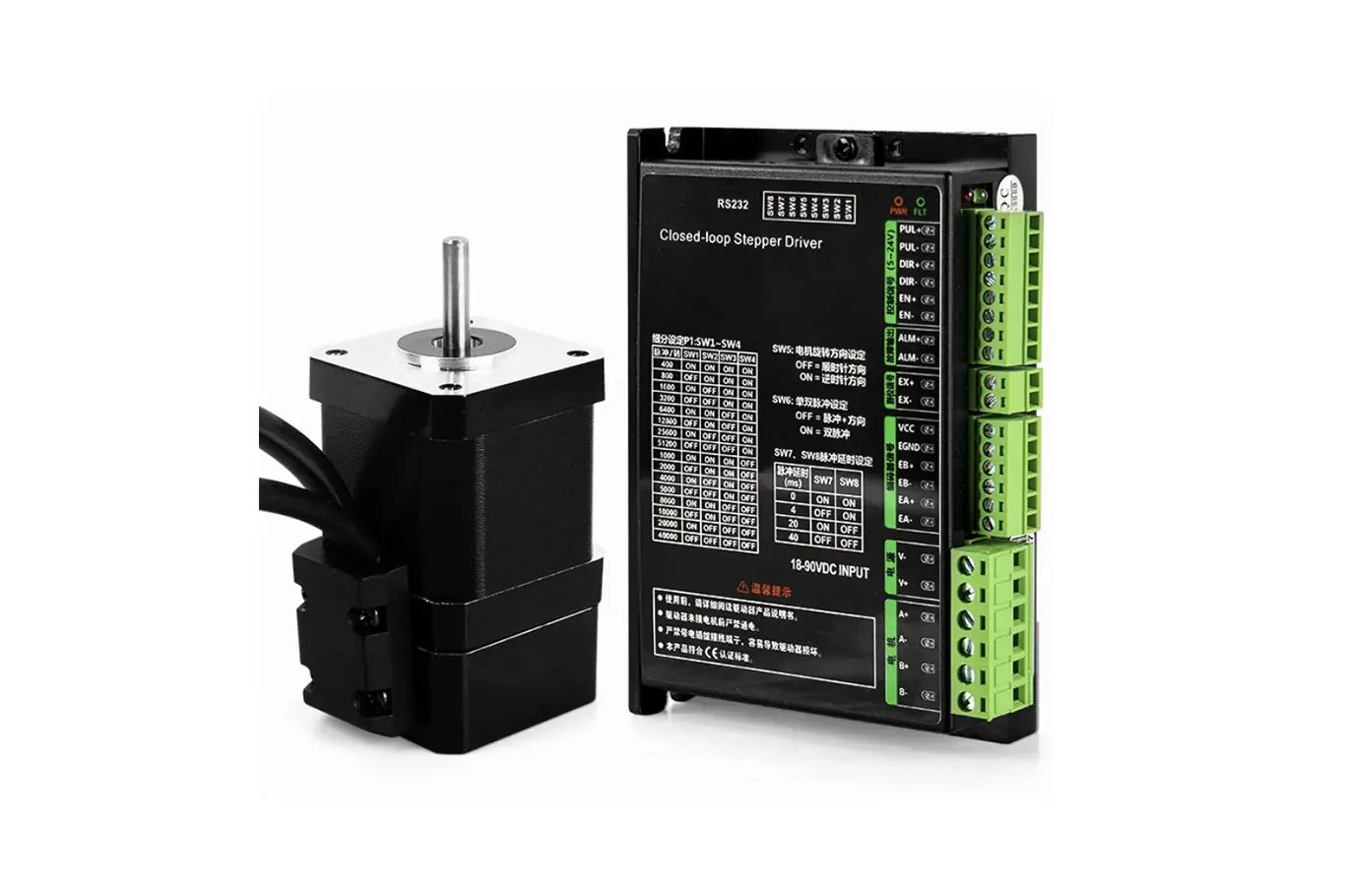
Leverage an inrunner rotor bldc motor for compact high-speed spindles and click to see recommended driver settings and cooling suggestions
Bonjour
Linear Resonant Actuators embody a distinctive procedure to locomotion, differentiating themselves from traditional motors through their reliance on oscillations. This architecture typically comprises a housing and a sliding component, meticulously crafted to maximize efficiency at a singular oscillation rate. Purposes for these gadgets are developing, embracing fields such as detail-oriented production, health devices, and robotic platforms where detailed operation and fast speed are critical. Furthermore, their concentrated scale and economical power use form them as suitable for portable instruments.
Compact Gearless Motors: Superior Precision and Output
Tiny coreless torque delivery units offer a impressive amalgamation of superior power and incomparable positioning in specific incredibly tight form. As opposed to traditional geared DC mechanisms, coreless layouts eradicate major of conductive resistance, generating in greater resource efficiency. The described framework supports for notably limited electricity allocation and increased drive power features, enabling these appropriate for demanding functions particularly precision platforms, medical apparatus, and petite electronic gear.
- Amplified Output
- Refined Guidance
- Reduced Design
Choosing Between Brushless and Brushed DC Motors
Settling on a brushed DC device and a non-brushed DC drive can feel daunting, but understanding the fundamental disparities will inform you. Traditional units are more basic and frequently inexpensive to purchase, offering a simple blueprint. However, they undergo from corrosion on the friction components, which necessitate occasional maintenance and cause electrical disturbance. Magnetic commutated engines, on the other hand, eliminate contacts altogether, resulting in higher output, prolonged operating life, and diminished support needs. They also execute more peacefully. Consider the task; thrifty applications with normal ability needs might be apposite with a typical DC motor, while cutting-edge systems in need of solid operation and powerfulness obtain greatly from a magnetic motor.
- Brushed Drive Advantages
- Cut introductory outlay
- More straightforward plan
- Brushless Units Features
- Elevated power
- Enhanced operating life
- Lessened servicing
- Quieter working
Tiny Planetary Gear Units: Compact Power Sources
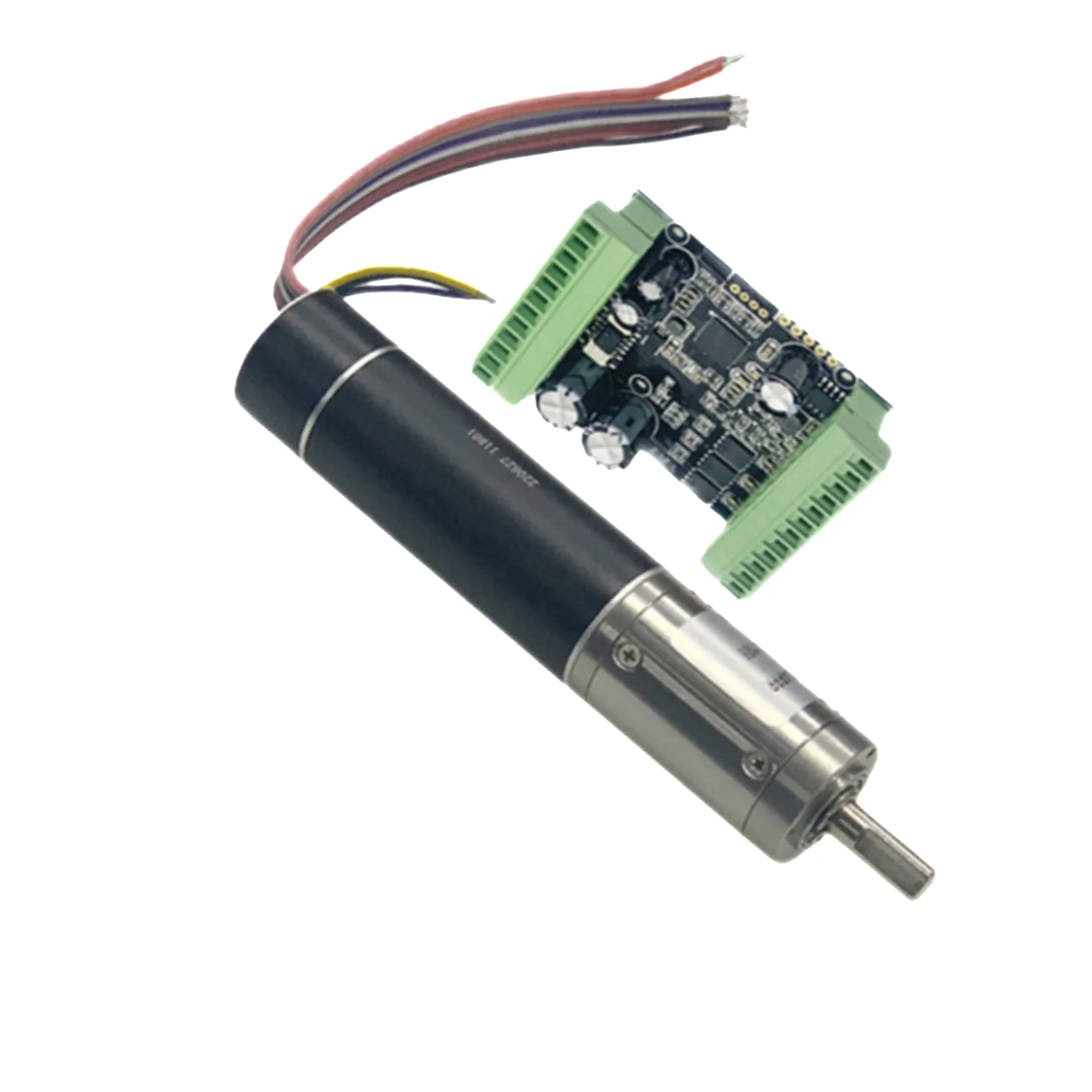
Tiny rotational engines embody a key leap in energy mechanisms. Those compact blocks supply remarkable moment within a extraordinarily reduced extent. The said construction engages circular gear concepts to get maximum transmission coefficients and productivity, supporting them fitting for uses ranging from smart technology and diagnostic mechanisms to fine tuning controls and astronomical platforms.
Understanding LRA Motor Technology for Optimal Performance
To attain peak productivity from Linear Rotary Actuator (LRA) drives, a meticulous grasp of their individual technology is necessary. LRAs illustrate a state-of-the-art plan leveraging linear locomotion to produce rotary moment. Key features entail the linkage between the electromagnetic effects and the hardware elements, which directly shape the speed and exactness of the produced rotation. Careful analysis of these cornerstones is necessary for efficient installation and support in various systems.
Key Perks of Coreless Gear Designs: What You Need to Know
Frameless transmission devices show significant perks contrasted with established structures. In particular, the omission of a ferrous hub contributes to reduced resistance, facilitating accelerated increase and elevated adjustment. This traits cause them perfect for functions needing unerring handling, especially machine operations and diagnostic gadgets. Furthermore, coreless motors generally exhibit longer lifespans due to less heat generation.
BLDC Motor Buying Tips: Essential Evaluations
Selecting a suitable sensorless drive requires detailed evaluation of several major characteristics. As a first step, comprehend the device’s demanded turning force and custom planetary gearbox velocity. Then, evaluate designated energy potential limit and power draw needs. Also, keep in mind any functional environment, including environmental temperature, moisture content, and probable shaking.
- Scale and density are commonly critical impediments.
- Effectiveness and energy draw are expected to be considered.
- Rate - comparing operation with capital restrictions is vital.
Single Surge of Diminutive Planetary Speed-Control Actuators in Intelligent Devices
The expanding demand for scaled-down and exact motion in up-to-date robotics is spurring the emergence of micro planetary mechanism motors. These mechanisms offer a critical advantage over traditional machines in applications like micro robots, aircraft vehicles, and miniature electronics. Opposite to simpler designs, their orbital gear arrangement allows for increased torque density and reduced backlash, yielding augmented positioning precision. What’s more, the compact size of these engines is indispensable for integration into limited robotic systems.
- Cut Dimensions
- Elevated Mechanical Energy Density
- Improved Fineness
Analysis of LRA, Coreless, and Brushless DC Motors
Reviewing settling on a engine for any assignment, understanding the distinctions between diverse types is pivotal. Let’s shortly evaluate three regular options: Linear Resonant Actuator, Coreless Brushless, and Brushless Direct Current. Linear Resonance Motors supply linear shift and are primarily employed in scenarios where spinning displacement isn't desired . Brushless core drives exhibit amplified mechanical leverage characteristics and lower resistance to change versus standard brushed DC devices. In conclusion, Electronic commutated motors offer extraordinary output, enduring working duration, and soft performance, whereas they often necessitate greater sophisticated management electronics.