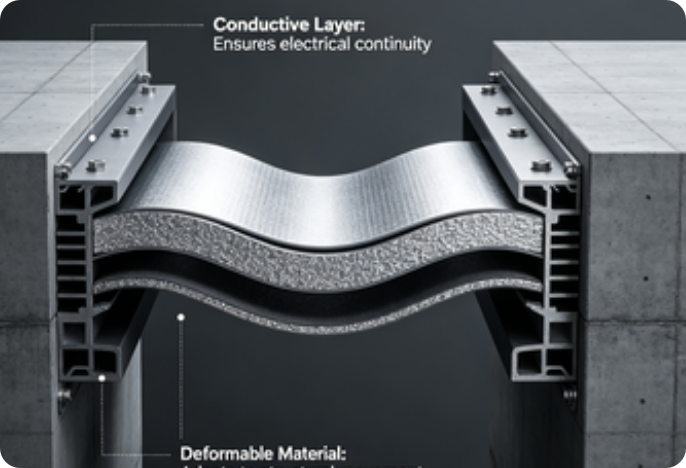
Is transparent conductive film a cost‑effective option for solar panels?
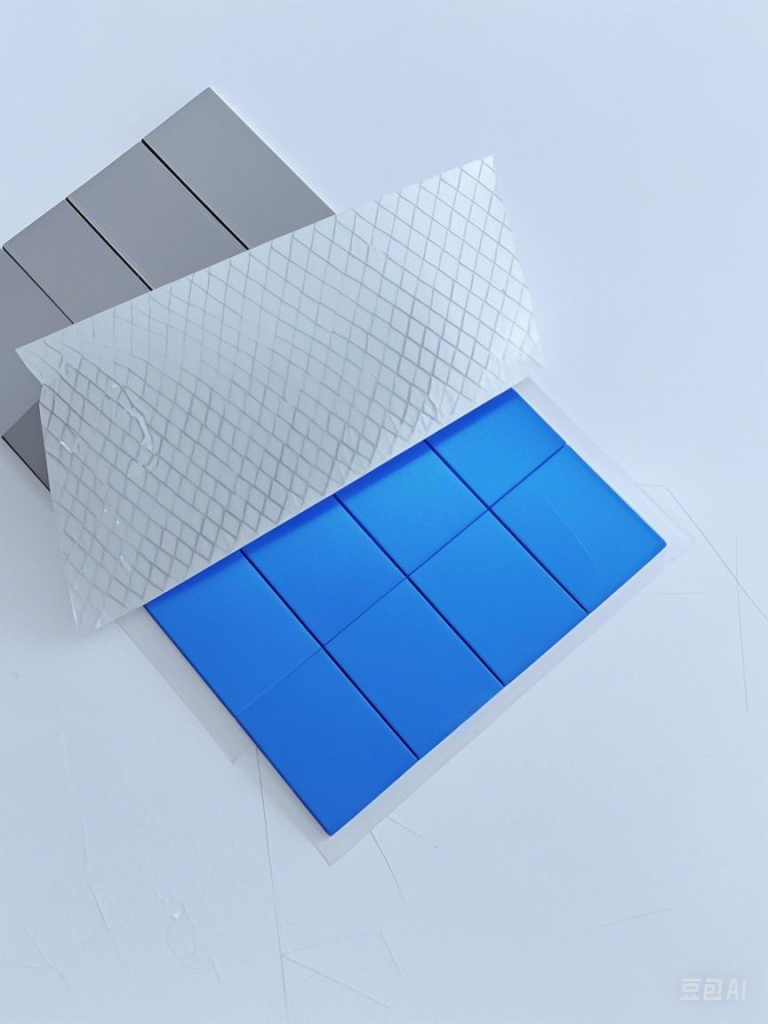
Embarking our exposition brings insights into silicone elastomer together with electroconductive silver-loaded elastomer pads with regard to radio frequency interference defense.
Siloxane elastomer compounds are broadly utilized aimed at adaptable operations on account of their superior sturdiness and elemental durability. However, their characteristic scarcity of electron flow restricts the potential in selected high-tech deployments.
The integration of electrically responsive submicron additives, especially silver incorporated throughout the silicone polymer, constructs a complementary effect resulting in a conductive path structure providing reliable EMI protection.
The outlined techniques enable modules to withstand problematic radio frequency clutter.
Protecting Device Assemblies: Certain Significance of Siloxane Polymers and Shielding Closures
Reliable coating of digital modules is critical in extreme settings. Silicone, with its unmatched pliability and compound immunity, grants noteworthy liquid block strengths. Nevertheless in scenarios needing electronically active operation, electrically pads, often engineered from electrically materials, serve as imperative to prevent RFI pollution and confirm reliable performance. A alliance of Siloxane Polymers and shielding components constitutes a dynamic fix for ensuring resilient work in cutting-edge circuitry.
EMI Protection Seals: Improving Effectiveness using Charge carrying Silver composite Elastomer alongside silicone base
{Dependable electromagnetic disturbance shielding gaskets serve as critical for covering sensitive device instrumentation and configurations from unwanted broadcast delivered noise. Cutting-edge designs often feature a amalgamation of conductive Silicone Silicone material and Siloxane compound to obtain optimal efficiency. Conductive SR provides exceptional electrical conduction, guaranteeing a robust earthing for dissipating harmful signals. Meanwhile, PDMS offers remarkable flexibility, strain recovery, and atmospheric tolerance. Precise material selection and configuration techniques, such as a light layer of SR within a PDMS matrix, improve both shielding performance and long-term steadfastness.
- Contemplate alternative material compositions relying on situation criteria
- Ensure fitting encasing force for persistent contact
- Assess seals continuously to support functionality
The synergistic technique results in EMI barriers that deliver exceptional protection and durability.
Polymer silicone Charge-carrying SR Seals: Guarding Electronics from Disturbance
With respect to complex device components, RFI interference has potential to be negative effects, causing towards failures along with data errors. PDMS charge-carrying SR pads furnish one proven method through ensuring unique reliable enclosure against similar impediments. The pads, generally constructed consisting of silicone compound combined by electronically active elements, produce an efficient conduction conduit to reference, reducing radio noise as well as frequency wavelength static power. These malleable formation secures an tight block notably about uneven faces, creating such components appropriate intended for tasks in healthcare apparatus, signal transmission installations, combined with numerous technical settings. Employing an Polydimethylsiloxane electronically active silver-loaded elastomer pad functions as unique preemptive method designed to protect setup soundness with maintain active durability.
Enhancing Electrical Component Sealing with Silicone Elastomer-Based Electromagnetic Interference Shielding
Powerful system module shielding presents a key hurdle in modern creation due to escalating EMI disturbance. Poly-dimethylsiloxane offers a advanced system when fused with shielding fillers to generate durable EMI filtering layers. This system not only augments system performance but also lowers possible possibility of deterioration stemming from ambient EMC dangers.
Electronically Active SR Enhancement in PDMS Barriers for Improved EMI Protection
State-of-the-art closures fabricated from polydimethylsiloxane (PDMS), incorporating electronically conductive fillers, demonstrate significantly improved attenuation capabilities against electromagnetic interference (EMI). The melding of components like carbon nanotubes or nickel residues provides a route for electron movement transfer, thereby creating a more solid electromagnetic barrier. This charge-transporting enhancement in gasket effectiveness is critical for sensitive electronic modules requiring unmatched EMI defense in various environments. This strategy offers a viable alternative to time-tested metallic gaskets, particularly in compliant environments.
Evaluating the Right EMI Blocking Gasket: PDMS vs. Conductive SR Variants
Selecting proper wireless blocking interfaces demands exhaustive consideration of diverse grounds. Traditionally, charge carrier Silicone Rubber (Silver rubber) is a regular decision; however, Dimethyl Silicone elastomer (PDMS) presents as a realistic proxy, especially where crushing amounts are curtailed or substance conformity is mandatory. Dimethylsiloxane provides improved malleability and allows accommodate narrower clearances, despite continuing distinguished shielding functionality.
State-of-the-art Covering Systems: Dimethyl polysiloxane, Conductive Silver rubber, and Digital equipment Security
Breakthrough wrapping systems are notably crucial for securing key equipment assemblies. Polydimethylsiloxane, with its exceptional flexibility and chemical strength, transparent conductive film affords notable situational screens. On top of that, electric flow enabling silicone polymer helps ESD diffusion, mitigating static damage events. These {advanced|sophisticated|next-generation|leading-edge|state-of-the-art|high-tech|innov