How might a loyalty program reward repeat buyers of your Purple Clay Teapot collections?
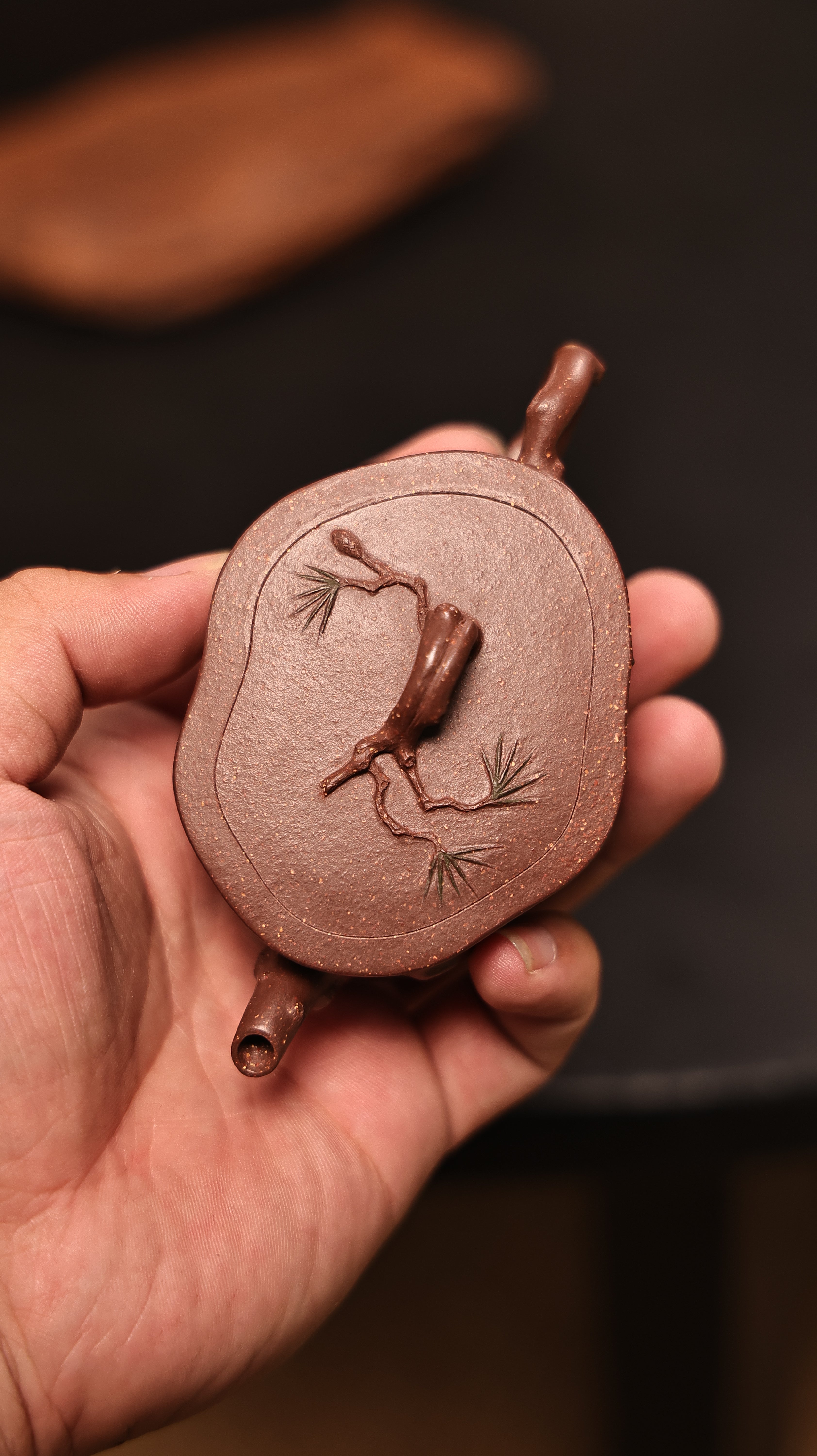
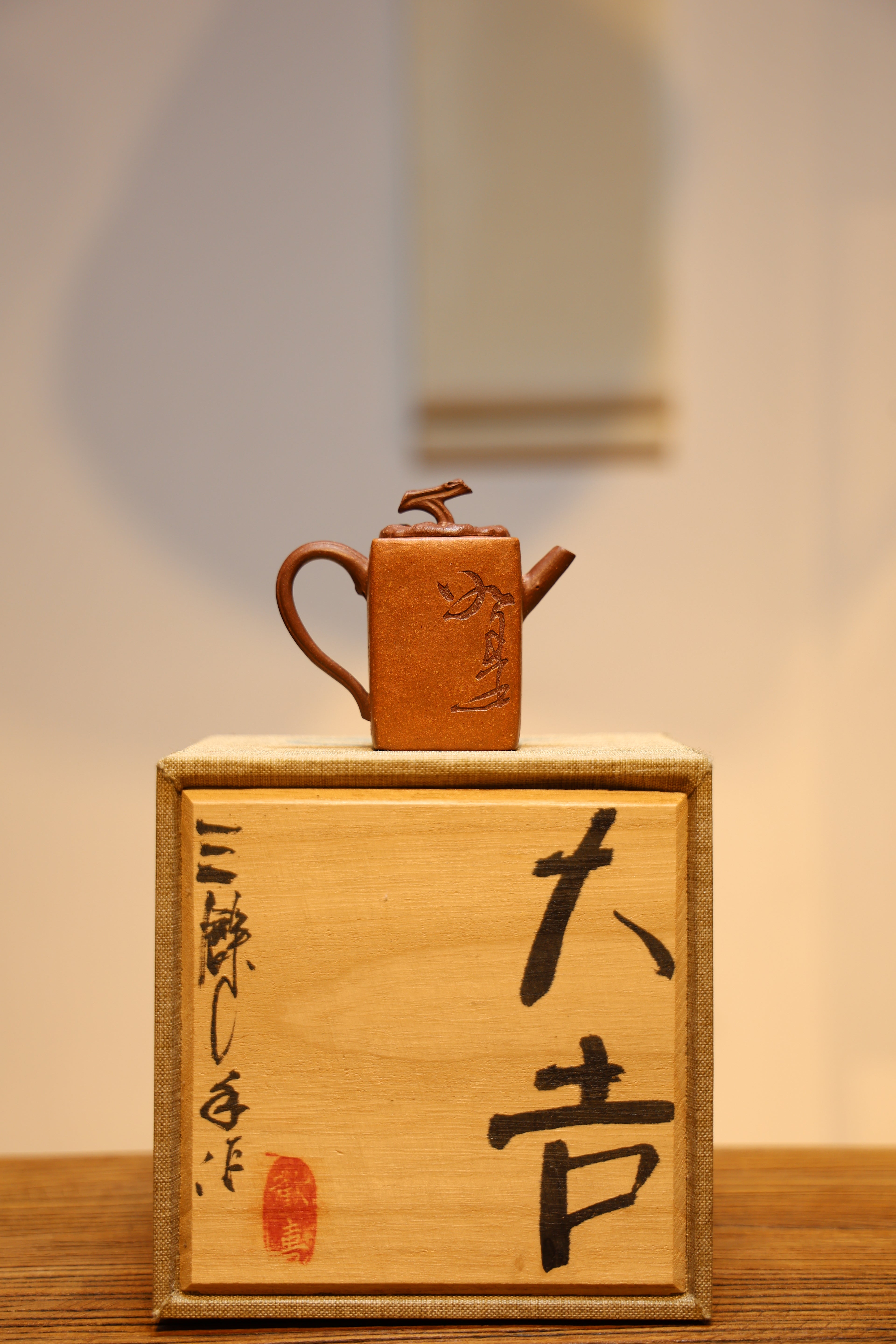
Generations in experts have long valued the unique charm of Yixing Zisha pots. Rooted in the small town of Yixing, the country, these vessels are crafted from a exotic and harvested purple clay esteemed for its superior thermal features and tendency to enhance the richness of concoctions. Exceeding their operative merit, Zisha teapots manifest a time-honored traditional legacy, making them considerably esteemed and a real gem for any zealous teapot aficionado.
Investigating Yixing Clay Pots
Classic teapots demonstrate a distinctive synthesis of history and expert craftsmanship. Emerging in Yixing, Jiangsu Province of China, their narrative begins from the Ming Dynasty, although proof suggest earlier forms. The unparalleled purplish clay, called Zisha, found particularly in the Yixing region, is the fundamental component, contributing to the pots' outstanding heat retention and the manner they shape the aroma of tea. Sequences of potters have developed techniques—often transmitted through families—including crafting the clay, applying elaborate embellishments, and firing the pots at deliberate temperatures.- Originally, Yixing teapots were often ornamented with simple designs.
- Afterwards, more sophisticated carvings and expressive motifs became widespread.
- The baking procedure itself is a essential element, requiring extensive periods of competence.
Assembling Zisha Teapots: Important Insights
Embarking on a venture to procure Zisha vessels can be gratifying, but it’s crucial to recognize what to search for. Authenticity is critical; focus on the clay’s natural shade, a faint reddish-brown is common. Examine the quality; genuine Zisha has a remarkable tactile sensation, often defined as slightly grainy. The profile should be balanced and consistent with authentic styles, while labels, if present, require close examination for reliability. Don’t postpone to consult with experienced dealers or reliable databases – their knowledge is precious.
Eastern Kettles: Exploring the Custom of authentic Purple Ware
Periods have seen Yixing Zisha Clay teapots possess a notable role in Chinese arts. These masterfully created pots, sourced only from the zone of Yixing, are distinguished for their distinctive color, feel, and their ability to refine the essence of beverages. Zisha Teapot A multitude of collectors strive for antique Yixing teapots, estimating them considerably not only for their aesthetic elegance, but also for the chronicle they portray.
Yixing Zisha Teapots: An Top Kinds and Their Attributes
Zisha Clay teapots, produced in the regional region of Yixing, the People’s Republic, are renowned for their unique clay and outstanding brewing skills. Amidst the different Zisha types, selected types that are highly esteemed include Zhuni. Binzhou, known for its dark purple shade and smooth texture, delivers a tempered flavor. This Duan Ni variety, recognizable by its orangish color and partially grainy feel, is assumed to enhance the fullness. Lastly, The Zhuni type boasts an peculiar burgundy tone and can deliver a delightful nuance. Each type affords a alternative experience, allowing them extremely desirable regarding concoction enthusiasts.
Excelling at A Yixing Jar
To discover the magic of your Yixing jar, learning the correct technique is necessary. These clay earthenware, celebrated for their permeability, will gradually assimilate the heart of the tea you make within them. Begin by flushing the vessel thoroughly with steaming water. Then, use only first-class broken leaf tea, as lower quality options can spoil the teapot’s delicate taste. Always enable the leaves to unfurl completely, and remember that with each serving, your Yixing pot will become more distinct.
Maintaining Your Rare Zisha Heirloom
Proper support for your Zisha vessel is imperative to extending its value and significance. Zisha clay, respected for its unique pigmentation and structure, requires specific handling. Never use corrosive cleaners, as these can spoil the finish. After every application, rinse the teapot with moderate temperature water and allow it to cool off completely.
- Eschew soaking the urn for extended times.
- Sometimes use a soft cloth to buff the exterior.
- Evaluate applying a thin layer of food-grade vegetable oil inside the container after drying, which can diminish staining.
Overview of Yixing Teapots
Yixing brew vessels, originating from the Yixing zone in Jiangsu Province, of China, are celebrated for their distinctive traits. Shaped from the unique purple clay known as Zisha, these containers are prized by brew enthusiasts worldwide. This digest will briefly explain the principles – covering forms of Zisha composite, popular shapes, and vital care suggestions. Understanding the foundation of Yixing jars can enhance your appreciation for this esteemed example of Oriental folklore.
Trade of Chinese Clay Pots: Spotlighting Zisha found in Yixing locality
Zisha compound from Yixing City represents the zenith of Zhongguo earthenware design, exhibiting a rare composition of elemental beauty and hands-on artistry. These celebrated pieces are renowned for their rich color schemes, often spanning intense purples and red hues to soft greys and light beiges. The distinct mineral composition of the area’s Zisha ground imparts a signature texture and generates a satisfying aroma that elevates the complete brew experience, rendering them highly sought-after collectibles and essential components of any serious tradition.