experience centered Chinese artistic clay pot?
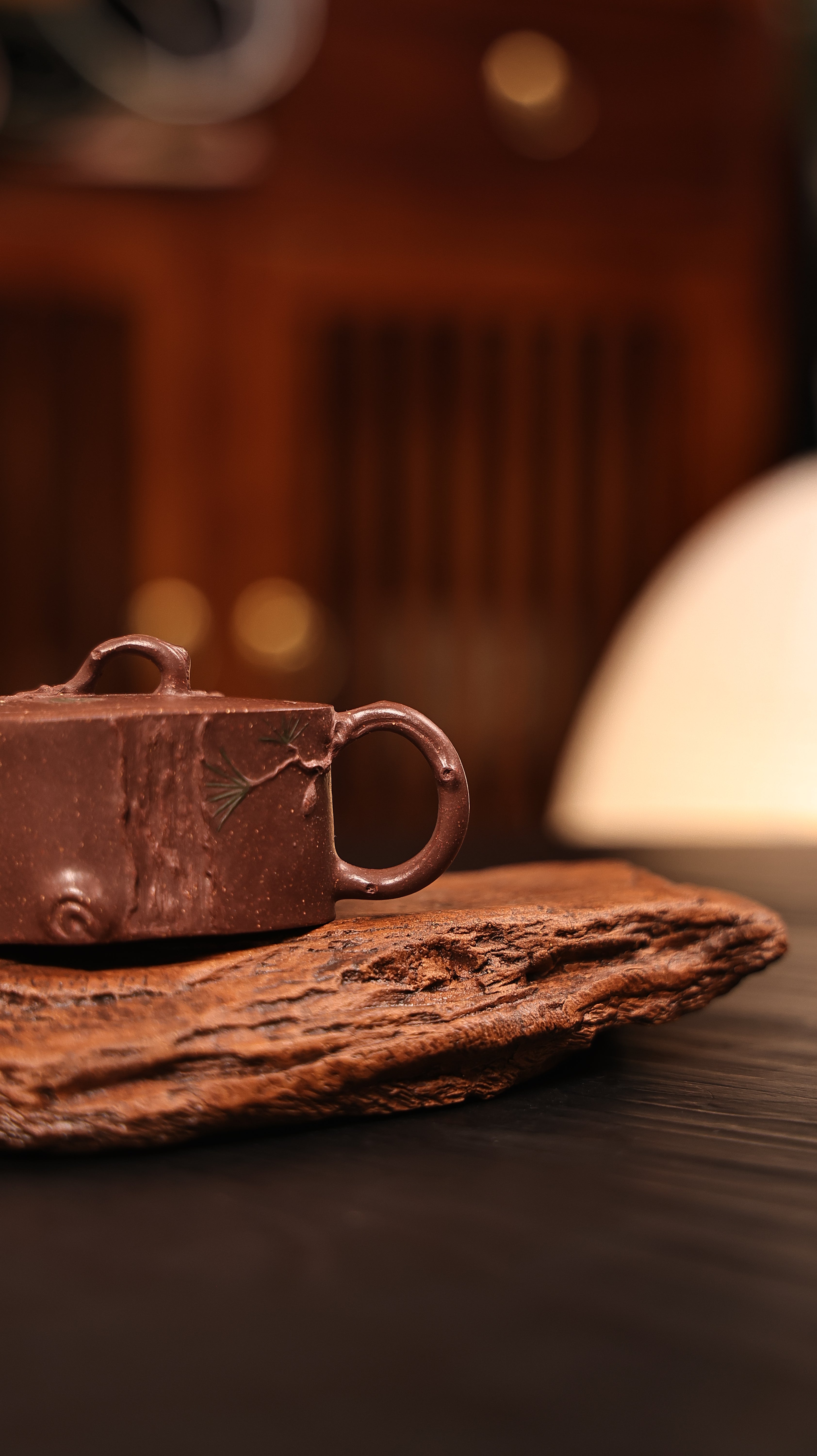
Beginning our comprehensive investigation with respect to 宜兴 Tz'u Sha porcelain pots brings an captivating mixture between expertise in conjunction with usefulness.
Yihsing Zisha ceramic vessels carry unique incomparable fascination regarding gatherers on a global scale. Distinguished outstanding earthenware containers, sourced from the distinct Yixing location close to Jiangsu administration, China, function as more than just infusion tools; they stand as works art beauty and rich significance. This finely graded clay, known recognized as Zisha, imparts a gentle flavor onto the tea, and the detailed designs, often showcasing traditional Chinese patterns, raise their basic value. Purchasing a genuine Yixing Zisha teapot represents a fulfilling journey, posing careful scrutiny and an knowledge of the different factors influencing the uncommonness.
Examining Yixing Vessels
Yixing pottery vessels boast a deep background deeply interwoven with Chinese legacy. Originating in Yixing, Jiangsu district, these containers are crafted from a unique, porous purple mud found only in that distinct location. Their advancement began during the Ming dynasty, with master sculptors refining the approaches over centuries. Diverse types are available, including the classic Hexiang (resembling crab shells), Zhuni (red-brown hue), and Duan Ni (stone-studded) – each Chinese Teapot with distinctive attributes. The significance of an Yixing pot isn't solely based on its size or trim, but also on the maker’s reputation, the earth's quality, and the pot’s age and condition. Connoisseurs often seek out older examples, believing they soak up the aroma of the tea brewed within them over time, further adding to their eminence.- Hexiang Ceramic Pots
- Red-Brown Ceramic Pots
- Stone-Studded Ceramic Pots
Zisha Teapot Mastery: Creation & Means
Such formation of Zisha teapots represents a pinnacle of Chinese ceramic mastery. Master artisans employ time-honored techniques, often passed down through heritage, to unlock the full character of this unique clay. Systems involve meticulous shaping by hand, often combined with the stacking method, followed by precise tempering at incredibly intense temperatures in wood-fired kilns. Beautifying is equally crucial; producers utilize intrinsic clay colors and may incorporate incising work to depict intricate scenes or patterns, demonstrating a profound understanding of the material’s features and presence. The resulting teapot isn't merely a vessel for tea, but a testament to a significant cultural history.
Classical Vessels: This Outline to 宜兴 Tz'u Sha
Probing the world of Classical teapots frequently commences with Yixing Zisha. These particular clay pottery vessels are made from a singular type of clay harvested only in the Yixing region of the Jiangsu locale province. Recognized for its characteristic reddish-purple hue and superior qualities, Zisha clay provides a gentle flavor to the tisane and enhances with age, growing into a cherished artifact. Curating Yixing Zisha ceramics is more than just possessing a lovely object; it’s a honoring of legacy and technique.
Examining certain Pottery: Authentic Quality & Appreciation
Delving into the realm of Yixing Zisha ware can be truly lucrative, but necessitates a thorough knowledge. Veracity is essential; several fakes circulate, sometimes skillfully produced. Gaining understanding about conventional baking methods, unique clay essences, and the emblems of esteemed creators is thoroughly important. In addition, recognizing the subtleties of the expansion development – influenced by circumstances such as heritage meaning and the state of the componentry – is fundamental to fruitful procurement.
- Investigating tempering lineage.
- Hiring authorities for authentication.
- Estimating commerce fluctuations.
The Technique of Steeping with a Yixing Urn
An distinctive allure of a Zisha instrument lies not just in its elegant appearance, but also in its remarkable impact on the quality of the tisane. These vintage clay brewing pots, sourced from unique regions of China, possess a original porosity that gently interacts with the substance and leaves, imbuing the brew with a elegant character. Mastering the practice requires a mindful approach, understanding how the mineral responds to diverse thermodynamics and plant types, ultimately leading to a genuinely rewarding consuming ritual.
Nurturing One's Relic
Proper attention of your Yixing teapot is important to preserving its usefulness. These unique teapots, crafted from special Yixing clay, develop a texture over intervals that boosts their esteem. Consistently rinse the internal space with plain water, avoiding soap-based cleaners, and never use abrasive scrubbing tools. Infrequent gentle cleaning with a light cloth can enable in clearing smudges. Allow your pot to wholly dry subsequent each brewing
Interpreting Zisha: Aspects Particular Kettles Represent Special
The well-known appeal of Yixing teapots stems from the particular properties of Ceramic clay, found solely near Yixing, eastern China. This uncommon clay, a type of ferruginous clay , displays a remarkable combination of minerals that, through use, assimilate the character of the tea it contains. This produces a exclusive note for each teapot, allowing it a significance far exceeding its baseline price and assisting to their highly prized status among tea enthusiasts.
Identifying the Right Traditional Carafe: A Pottery Explanation
Venturing into the world of Zisha clay teapots can feel daunting, but understanding the fundamentals is important to picking a valued piece. That kind of clay, sourced principally from the environs of Yixing, the province of Jiangsu, is famous for its special feel and ability to develop the aroma of the brew over use. Evaluate the design, the hue, and the appearance; a true Zisha teapot is more than just a container; it's a beautiful creation and a representation of Chinese culture. Look for the symbol of the fabricator for clues to its roots and potential cost.