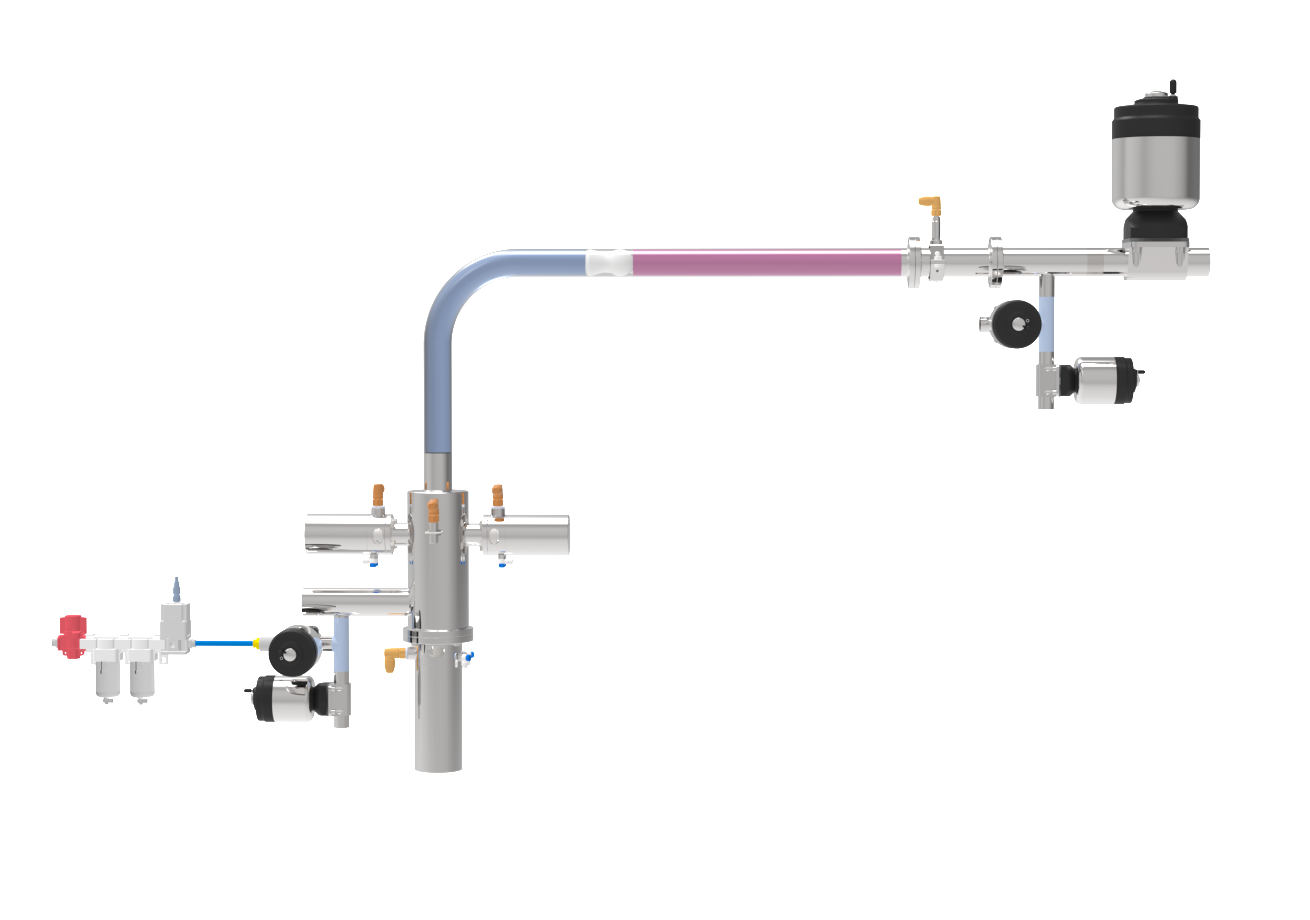
differentiation focused pigging systems for high value product recovery?
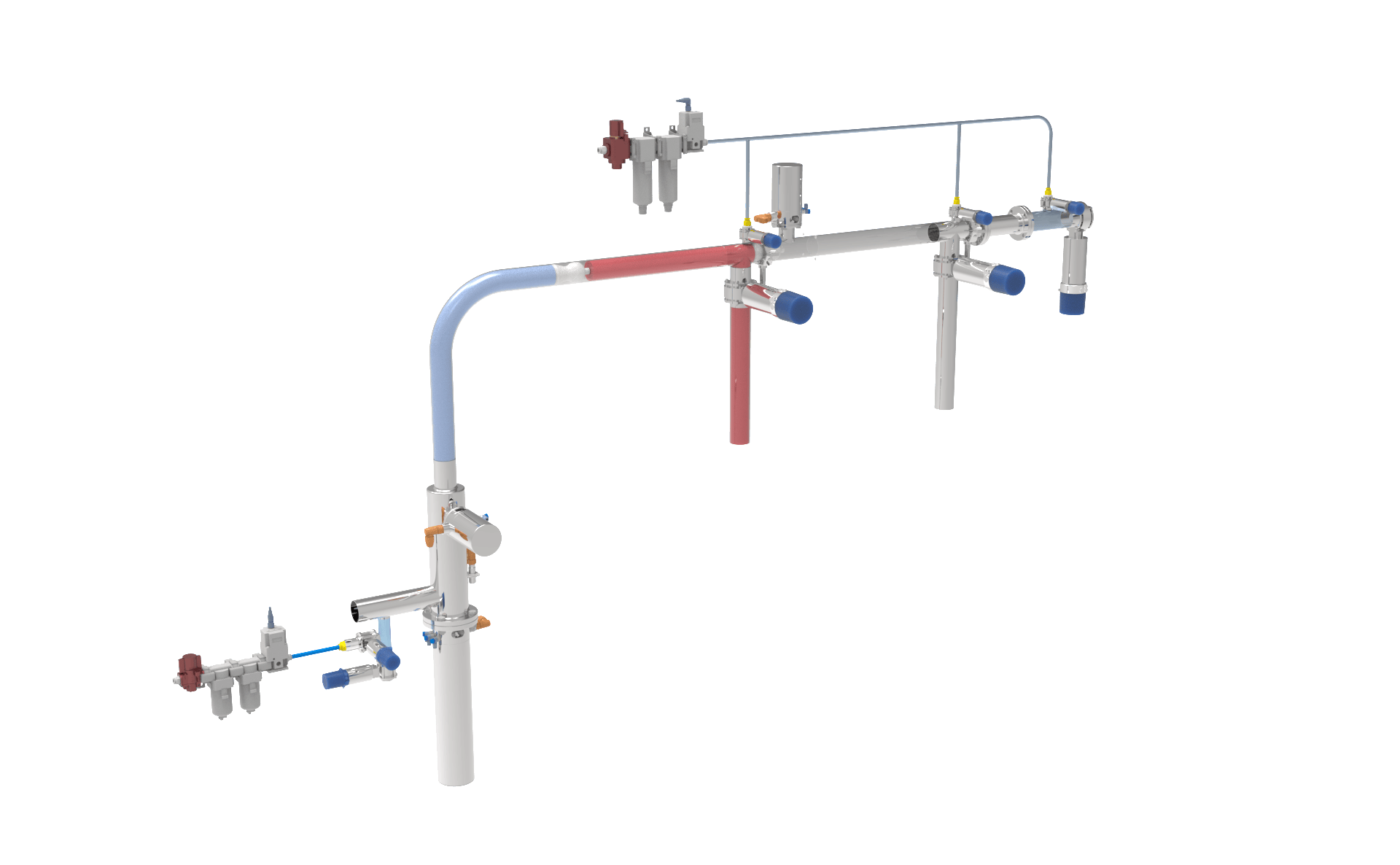
Embarking certain exhaustive investigation regarding flowline maintenance approaches uncovers aforementioned crucial role in securing conduit strength within several engineering practices.
Conduit sanitation operates using innovative devices identified as pigs that navigate through pipework, moved by currents, to remove contaminants such as scale. This function secures transit efficiency and limits downtime.
Optimizing Pipeline Capacity with Pigging Solutions
Securing unaffected flowline efficiency is paramount for lowering stoppages and improving overall revenue. Pipeline scraping procedure provides a strong remedy to dispose of deposits such as sediment and detritus, which limit movement. By adopting progressive pigging mechanisms, engineers can considerably strengthen tube reliability and lower upkeep charges. Besides, this preparative maintenance practice aids ecological accountability by lessening commodity spillage.
Upgrades in Pigging Methods and Its Adoptions
Flowline maintenance systems have undergone remarkable improvements recently, extending their reach across several markets. Initially invented for duct cleaning, pigging currently affords an array of answers for state evaluation, pressure recognition, and even concealed evaluation of structures. Modern strategies embrace intelligent pigging that utilizes advanced instruments and analytics processing to offer a more thorough appraisal of pipeline fitness. Unique adoptions are apparent in lubricant and chemical delivery, potable supply schemes, and even industrial dispensing.
- Optimized effectiveness in activities.
- Lowered maintenance expenditures.
- Advanced risk management and sustainable performance.
Choosing the Appropriate Pigging Approach for Your Conduit
Preferring the suitable pigging solution for your pipe is a key selection influencing reliability and support. Consider several considerations prior to settling on your ultimate selection criterion. Initiate by carefully reviewing your line's explicit conditions.
- Pipeline build influences appliance fitness.
- Regular pressure level and flux dictate scraper design.
- Detection of scale, oil, or other debris influences the type of tool mandated.
- Monetary controls should likewise be factored in. At last, using knowledgeable pipe upkeep specialists ensures customers choose the right strategy for your individual conditions.
Troubleshooting Common Pigging Complications
Addressing standard pipe sanitation issues regularly imposes a structured strategy. Originally, confirm that the scraper is adequately dimensioned for the duct. Over and above, inspect the sending station and destination for any restrictions. A typical challenge is conduit cleaning impairment caused by excessive strain; consequently confirm that utilized controls remain within recommended margins. Eventually, gauge degradation on the scraper's pieces, mainly the barriers, as this may manifest the necessity for replacement.
Pipeline Cleaning Processes
Improving hydrocarbon generation and increasing functions in the mining domain requires breakthrough pipeline cleaning techniques. These bespoke methods reliably eliminate obstructions like hydration pigging systems buildup from flowlines, maintaining efficiency and reducing interruptions. Ultimately, pipeline cleaning solutions constitute a critical expenditure for sustainable resource output.
Diminishing Pipeline Repair Costs with Conduit Servicing
Productively cutting pipeline servicing costs is a critical objective for a large number of oil and gas institutions. A verified method for accomplishing this is the utilization of pigging techniques. These mechanical cleaning mechanisms, or “pigs,” operate through the duct, clearing buildup, rust, and other clutters that can hamper flow capacity and cause expensive repairs. Ongoing pigging schedules can efficiently tackle these concerns, extending the working life of the tube and avoiding the expectation for weighty and time-consuming treatments.
- Elevates flow throughput.
- Lessens wear.
- Increases flowline service life.
Outlook of Pigging Solutions: Movements and Transformation
This pigging realm is ready for far-reaching developments, fueled by intensifying required for operation and reliability in natural resources and energy resources pipelines. Researchers anticipate diverse key movements. Primarily, apparent a advancement towards advanced flowline servicing technologies, leveraging state-of-the-art measurement devices and information addressing real-time assessment and preemptive upkeep. In addition, unique compositions for instruments, including self-healing composites and multifunctional structures, promise elevated sturdiness and performance. To sum up, accelerating interest on eco-friendly technologies, including sustainably sourced pigs and decreased leftovers, signals responsibility to ecological oversight within that pipe upkeep industry.
Pigging Systems: Hazard Control and Environmental Protection Insights
Implementing pigging technology involves significant risk and environmentally conscious points for pipe operators. Adequate execution and management are indispensable to minimizing potential exposures, including breakages and leakage of liquid matter. Routine surveillance of appliance performance and channel robustness is indispensable to certify stable procedure. Moreover, the disposal of recovered effluents demands careful operations to suppress conservation repercussions. Chief requirements often consist of thorough liability review and comprehensive learning for employees.
- Lessened Line Harm
- Improved Matter Recollection
- Curtail Eco-Friendly Footprint